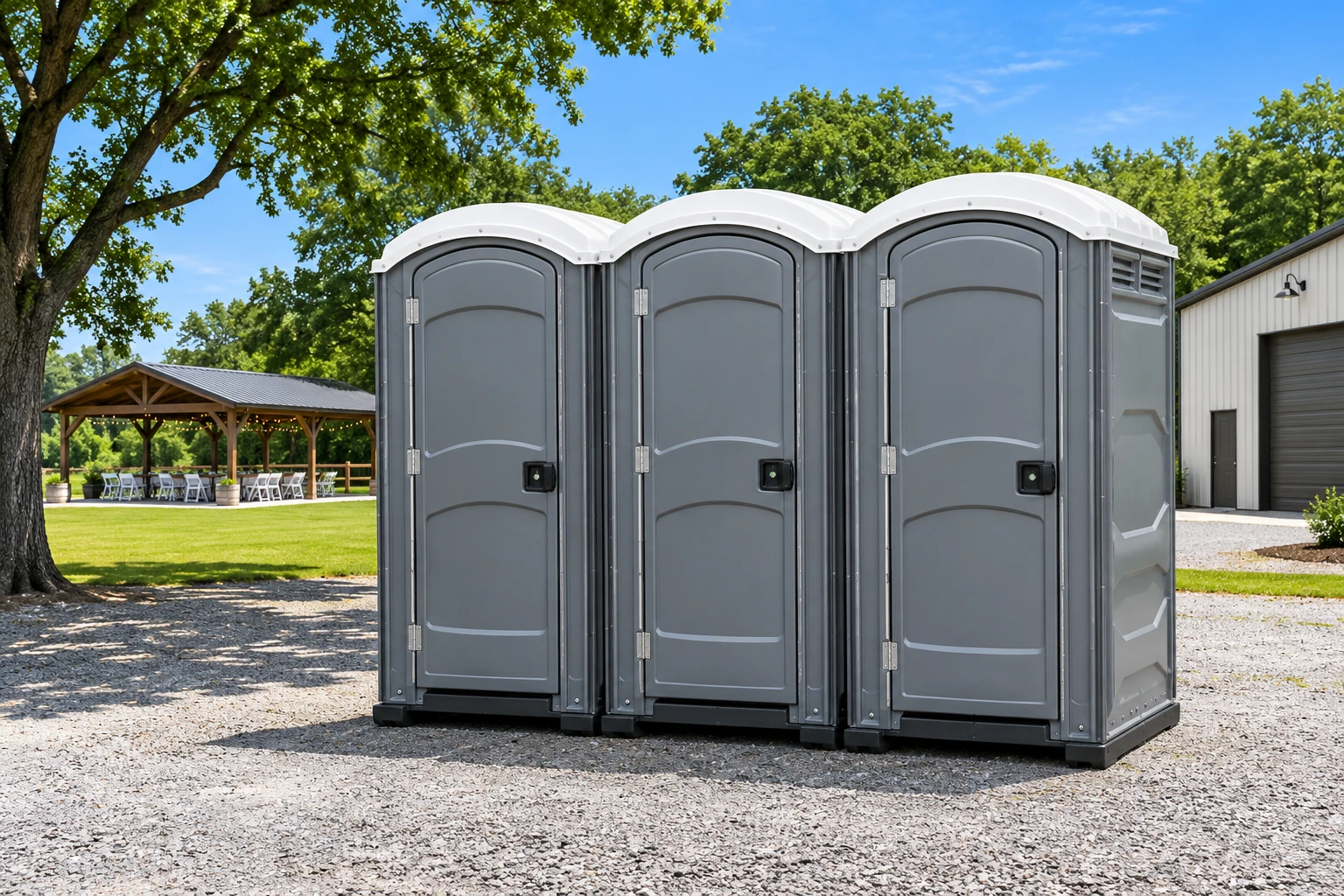
Understand the equipment.
Plan the setup.
Explain the activity and existing facilities
Tell the rental contact about the work or event, the number of users, and the length of the day. Mention available sinks, eating areas, shared activities, and concentrated breaks. Ask which washing options are available for the proposed dates. The right discussion uses the activities and timing of your site rather than adding equipment without considering how it will be used.
Choose a useful place for washing
Look at the route from restrooms back to work, dining, or gathering areas. A station needs a convenient approach without blocking doors, gates, or another queue. Explain the surface and any access needs. If the site has separate activity zones, describe how people move between them before discussing which equipment positions fit the wider arrangement.
Ask about the proposed station
Confirm its features, whether it is self-contained, and which water, soap, and drying supplies are included. Ask how replenishment is handled and who coordinates each responsibility. Review the offered model rather than assuming every station has the same arrangement. Explain shifts or event peaks when considering service, especially for equipment used throughout a long day or several consecutive days.
Allow room for users and service
Include approach, circulation, and maintenance space in the layout. Consider washing facilities alongside accessible restrooms and the paths between them. Ask for dimensions if the available area is tight. The property contact should approve a position that can remain open after vendors, materials, parked vehicles, and other equipment occupy the surrounding space.
Share the ongoing entry conditions
Provide the correct entrance, access hours, gate procedures, and available turning space. Explain whether the approach changes during the working day or event program. Confirm which service and replenishment visits are included and how extra needs are arranged. Keep a named contact available and report changes in crew count, attendance, or use hours that affect the existing plan.
Review dates and the complete cost
Coordinate delivery and collection with the rest of the temporary facilities. Ask about the rental period, supplies, included service, transportation, pickup, and additional charges relevant to the request. Explain venue clearance deadlines or project access closures. If the schedule changes, confirm how an extension or revised collection would work before relying on a new date.