Distinguish New Haven’s harbor district from its hillside parks
The local landscape
This location covers New Haven, Connecticut. The U.S. Army Corps of Engineers describes New Haven Harbor as a commercial harbor extending inward from Long Island Sound, while the city identifies Long Wharf as a waterfront district within its planning work. East Rock presents another prominent local setting, with views toward downtown, the harbor, and the Sound. These references help orient a request, but a rental needs the actual property address, approved setup position, and entrance service vehicles are authorized to use. [sources]
Districts, landmarks, and local site context
New Haven’s city resources also identify distinct neighborhoods and corridors around its waterfront and industrial areas. A project near Long Wharf should not use the same access assumptions as a renovation near East Rock or a gathering at a reserved park. Ask the responsible manager to confirm current routes, existing facilities, and the area available for equipment. Explain occupied entrances, loading activity, slopes, gates, and any changing site boundary. A public path or scenic viewpoint is context for the location rather than a delivery instruction. [sources]
A rental plan for this setting
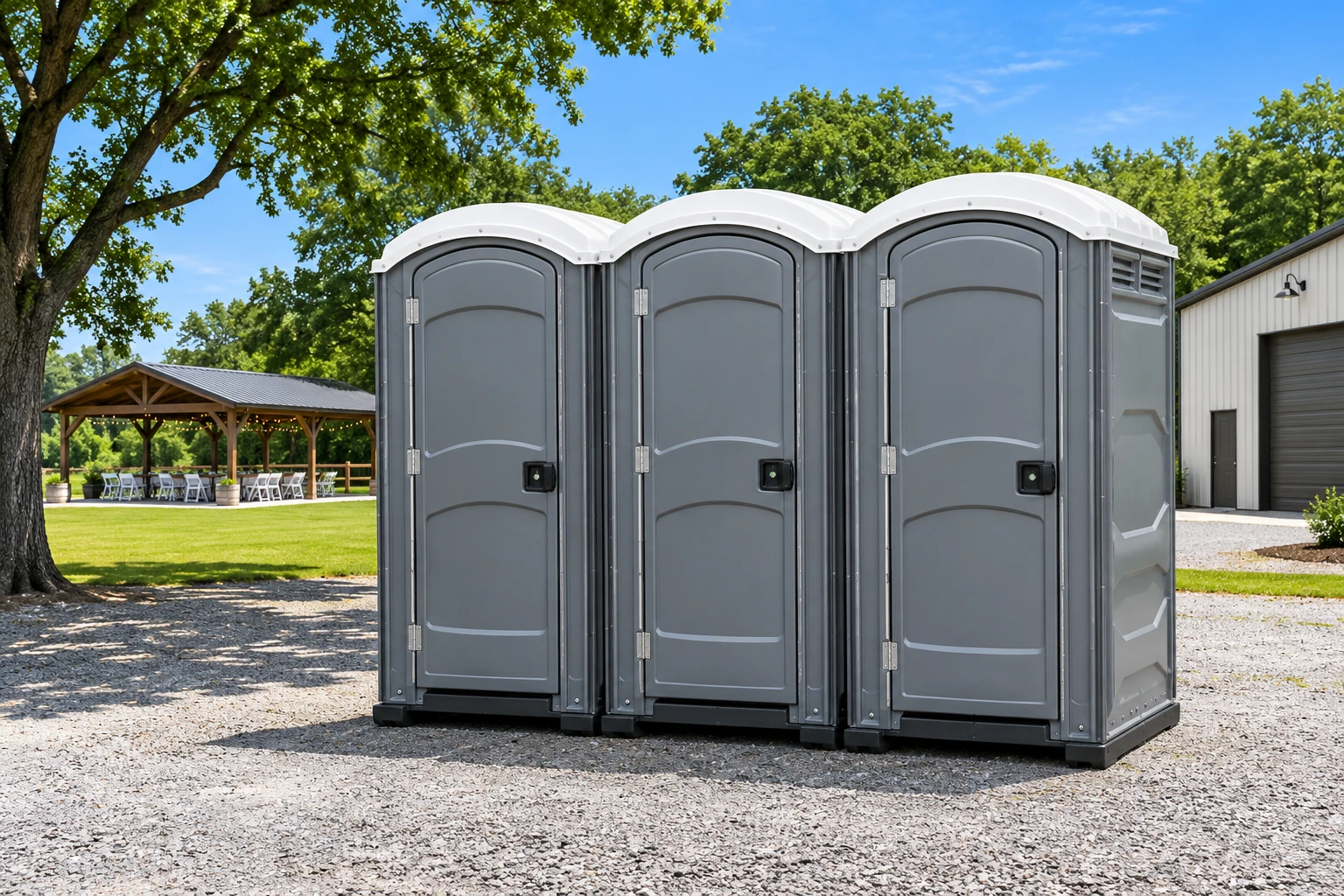
For a New Haven quote, provide dates, daily crew size or attendance, use hours, and the busiest periods. Discuss accessible equipment specifications and hand washing with standard toilets while arranging the footprint. Ask about offered models, included cleaning visits, supplies, waste removal, transportation, and collection. Confirm servicing windows and name a dependable on-site contact who can coordinate entry. Keep the approved approach clear after placement, report changes in project phases or event timing early, and ask before relocating equipment or extending the original rental period.
For a working property in New Haven, use our construction restroom guide to prepare crew and schedule details. For a gathering, the event rental guide covers attendance, setup windows, and guest circulation. Both are useful starting points for a call about your particular address.
Keep the plan useful throughout the rental
Once the equipment is placed, keep its service approach available throughout the rental. Explain any planned fencing, changing work zones, or vendor activity that could affect access. For a longer project, ask how supplies and routine visits are handled; for a multi-day occasion, discuss the service window alongside the program.
Before confirming, review the rental period and everything included in the quote: transportation, proposed equipment, scheduled servicing, additional visits if needed, and collection. An approved location and a reliable on-site contact help keep those arrangements clear as the job or event develops.