Riverwalk blocks and the canal’s changing landscape
The local landscape
Augusta’s Savannah River setting is visible along the downtown Riverwalk, where gardens, paths, and cultural destinations occupy a managed urban riverfront. The Augusta Canal adds another important geographic feature, following the change in elevation between the Piedmont plateau and the Coastal Plain. Its first level runs roughly parallel to the river before the lower levels wind through downtown. For a project or event rental, identify the actual parcel and entrance rather than relying on a river, canal, or downtown landmark as the complete delivery instructions. [sources]
Districts, landmarks, and local site context
The canal’s towpath and wooded surroundings differ from the Riverwalk’s urban blocks and from an occupied commercial property. A contractor’s work area or booked event should have its own approved equipment position, user route, and vehicle approach. Describe the surface, any grade, gates, turning space, and other setup that could occupy the approach. Ask the owner or venue contact about existing facilities and permitted placement. Public paths, canal banks, and nearby open space should not be treated as available staging areas or service roads. [sources]
A rental plan for this setting
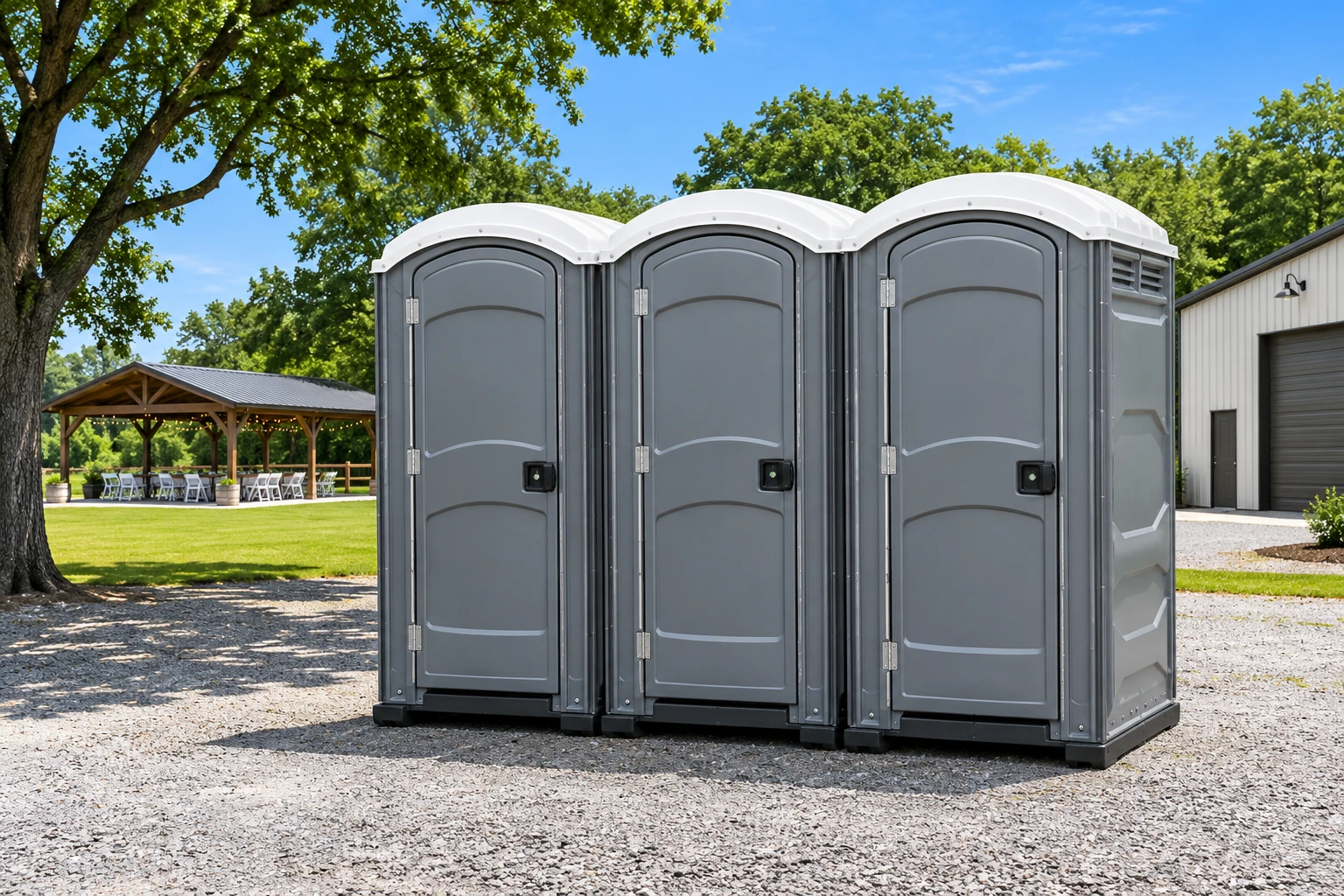
Prepare an Augusta request with dates, use hours, expected users, and the full property address. For work, explain shifts and phases; for a gathering, include peak attendance and vendor windows. Compare accessible equipment and washing facilities alongside standard units, reviewing the models actually offered. Confirm cleaning, supplies, scheduled visits, transportation, collection, extensions, and any extra service. Keep the agreed pad and approach available throughout use, and contact the team before changed fencing, stored materials, or a revised program affects access to the facilities or pickup.
For a working property in Augusta, use our construction restroom guide to prepare crew and schedule details. For a gathering, the event rental guide covers attendance, setup windows, and guest circulation. Both are useful starting points for a call about your particular address.
Keep the plan useful throughout the rental
Once the equipment is placed, keep its service approach available throughout the rental. Explain any planned fencing, changing work zones, or vendor activity that could affect access. For a longer project, ask how supplies and routine visits are handled; for a multi-day occasion, discuss the service window alongside the program.
Before confirming, review the rental period and everything included in the quote: transportation, proposed equipment, scheduled servicing, additional visits if needed, and collection. An approved location and a reliable on-site contact help keep those arrangements clear as the job or event develops.